Let’s be honest. When most people think about bucket-list travel destinations, Pakistan doesn’t always make the first cut. Europe gets the Instagram glory. Southeast Asia gets the backpacker crowd. And somehow, one of the most geographically and culturally staggering countries on the planet just quietly sits there, waiting for the rest of the world to catch up.
That’s changing fast, though. Pakistan travel is having a serious moment in 2025, and if you’re even slightly curious, now is the time to stop scrolling and start planning. Because if you’ve ever seen photos of the Karakoram Highway carving through jagged, snow-capped peaks, or watched a sunrise video over Attabad Lake where the water glows an almost unreal shade of turquoise, you already know something is different about this place. Seasoned travelers call it one of the last great frontiers on Earth, and honestly? They’re not wrong.
This isn’t a destination that performs for the camera. It earns your awe completely on its own terms.
Is Pakistan Safe for International Travelers?
This is almost always the first question, and it’s a completely fair one. The honest answer is yes, for most tourist regions, Pakistan is genuinely safe, and the experience you’ll have there is warmer and more welcoming than almost anywhere else on the planet.
Northern Pakistan, covering destinations like Hunza Valley, Skardu, Gilgit, Nagar, and the entire Karakoram Highway corridor, has an excellent safety track record with tourists over the past decade. International visitors consistently describe the locals as some of the most hospitable people they’ve ever encountered, often invited into homes for tea or meals by complete strangers who ask nothing in return except conversation. That kind of genuine human connection is increasingly rare in heavily touristified destinations, and it’s one of the things that makes Pakistan travel so disarmingly memorable.
That said, like any destination in the world, nuance matters. Urban areas like Karachi and parts of Balochistan require more caution and research than the mountain north. The key is doing your homework, checking current travel advisories from your home country’s foreign affairs department, and most importantly, booking through a reputable travel agency that knows the terrain. Operators like Pak Peaks Travels & Tours, who specialize in personalized northern Pakistan adventures, handle all the logistics, permits, and route planning. That kind of expert hand-holding removes the uncertainty and lets you actually enjoy the experience instead of stressing over the details.
When Is the Best Time to Visit Northern Pakistan?
Timing genuinely makes or breaks a Pakistan trip, particularly if you’re heading north. The country’s geography is so extreme, from high-altitude glaciated passes to scorching plains, that the same week in different regions can feel like two completely different trips.
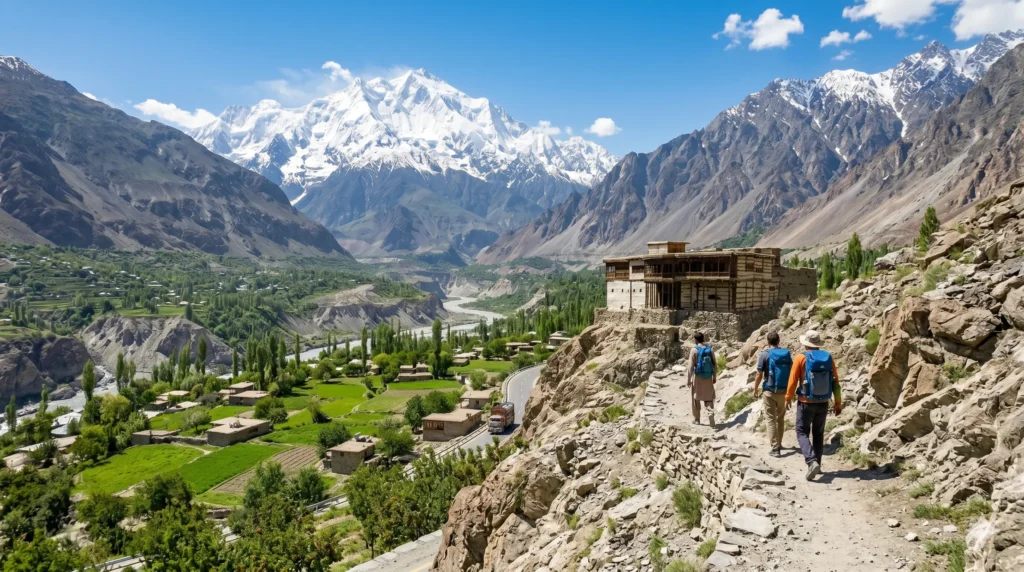
For northern Pakistan, the sweet spot is late spring through early autumn, roughly May through September. The mountain roads are accessible, Khunjerab Pass is open, and the valleys transform into something that honestly looks lifted from a fantasy novel. Here’s a quick season breakdown so you can plan smartly:
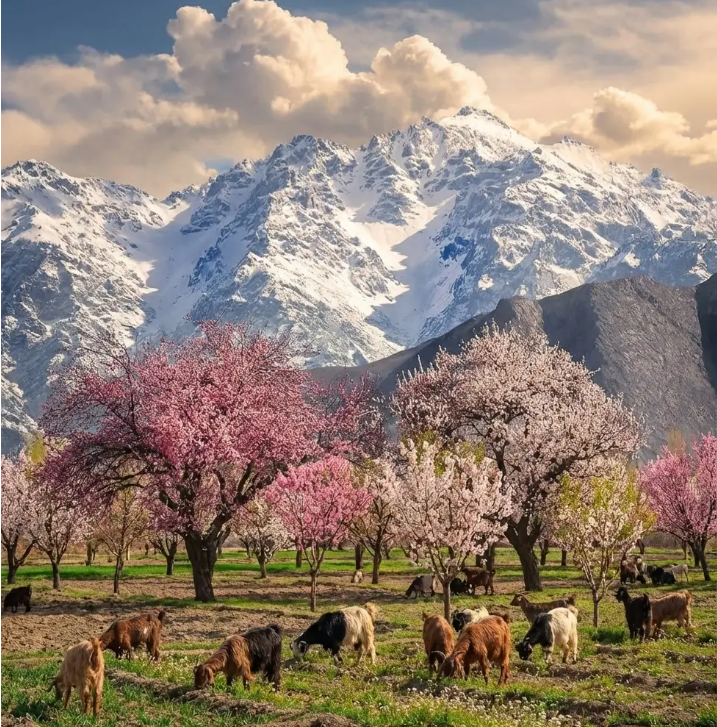
- April to June: This is cherry blossom and apricot bloom season in Hunza, and it is genuinely one of the most beautiful natural phenomena you’ll see anywhere in Asia. The valley turns pink and white, the air is crisp, and the crowds haven’t peaked yet. Perfect for photography and cultural exploration.
- July to August: Peak trekking and adventure season. Great visibility for high-altitude trails, K2 base camp routes, and Fairy Meadows. Expect more tourists at the popular spots but nothing like the overwhelming numbers you’d encounter in comparable destinations in Nepal or Europe.
- September to October: Arguably the most underrated window. Harvest season turns the Hunza Valley into a canvas of amber, gold, and red. The apricots are being dried on rooftops, the air is sharper, and the light is extraordinary. If you’re a photographer or just someone who appreciates beauty, autumn in northern Pakistan is a religious experience.
- November to March: Winter visits are possible in the lower elevation areas like Lahore, Islamabad, and Swat, but most high mountain roads close. Unless you’re an experienced winter trekker with proper gear and guidance, this isn’t the ideal window for the north.
The best time to visit Pakistan ultimately depends on what you’re chasing. Blossoms, adventure, or golden light. Choose your season and plan around it.
Top Places You Absolutely Cannot Miss on a Pakistan Tour
Pakistan’s sheer geographic and cultural diversity is almost overwhelming when you sit down to plan. In a single trip, you can move from ancient Mughal architecture to glaciers that dwarf entire European countries. Here’s a breakdown of the destinations worth building your itinerary around:
| Destination | Region | Why You Should Go |
|---|---|---|
| Hunza Valley | Gilgit-Baltistan | Dramatic scenery, Baltit Fort, legendary hospitality, apricot orchards |
| Skardu | Gilgit-Baltistan | Gateway to K2, Shangri-La Lake, cold desert, Deosai Plains |
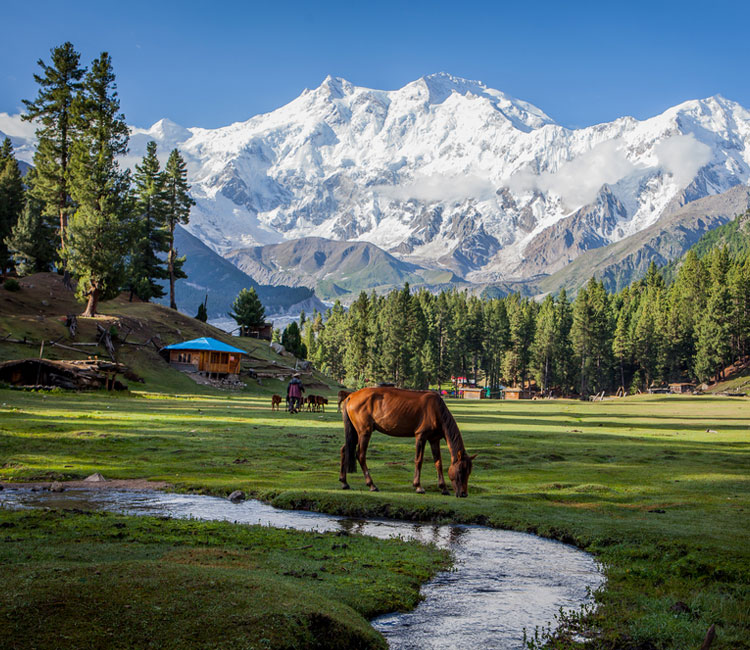
| Fairy Meadows | Gilgit-Baltistan | Closest accessible viewpoint of Nanga Parbat, 9th highest peak in the world |
| Lahore | Punjab | Mughal architecture, Badshahi Mosque, food culture, Old City energy |
| Swat Valley | KPK | Lush green valleys, Buddhist heritage, rivers and waterfalls |
| Naran & Kaghan | KPK | Lake Saiful Muluk, alpine meadows, dramatic mountain passes |
| Mohenjo-daro | Sindh | One of the world’s oldest civilizations, UNESCO World Heritage Site |
| Kalash Valleys | KPK | Ancient indigenous culture, unique festivals, pagan traditions |
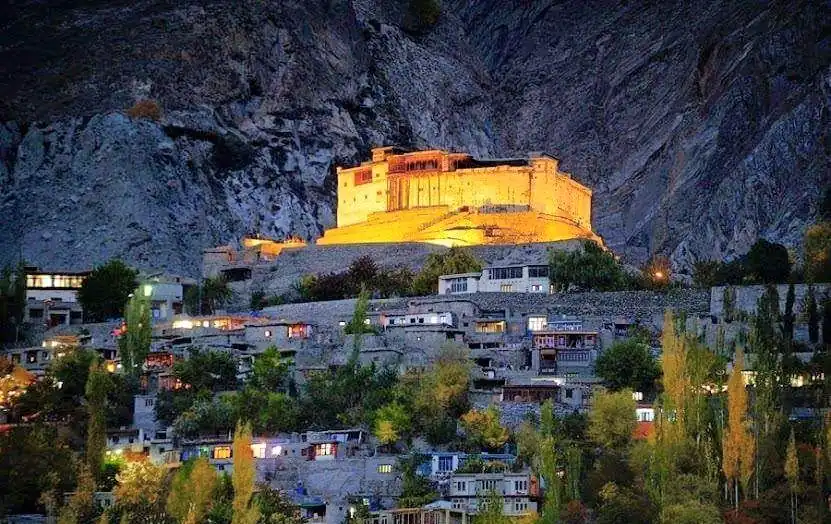
Image Credit: Chakor Ventures
For first-time visitors, a northern Pakistan tour that combines Hunza and Skardu is the most popular and rewarding choice. The classic 10-day Skardu and Hunza itinerary gives you enough time to actually breathe in both places rather than rushing through them for the sake of ticking boxes. You’ll drive the legendary Karakoram Highway, stop at Attabad Lake, visit Passu Cones, and if conditions allow, push further toward Khunjerab Pass at the Chinese border. It is, without exaggeration, one of the great road trips on the planet.
What Tour Packages Are Available for Pakistan?
One of the most common misconceptions about visiting Pakistan is that it requires extreme DIY effort. It really doesn’t, especially in 2025, when reputable tour operators offer everything from budget-friendly group tours to fully customized private experiences.
Here’s a general breakdown of what’s available:
Adventure Travel Packages: Designed for trekkers, mountaineers, and outdoor enthusiasts. These cover trails to K2 base camp, Concordia, Nanga Parbat base camp, and multi-day treks through remote valleys. Pakistan adventure travel for foreigners has grown significantly, with better infrastructure and more experienced guides than even five years ago.
Cultural Heritage Tours: If history is your thing, Pakistan is an embarrassment of riches. Lahore alone could consume a week. Add Mohenjo-daro, Taxila, the Buddhist sites in Swat, and the Kalash Valleys, and you have a cultural itinerary that rivals anything in the Middle East or South Asia.
Family-Friendly Tours in Pakistan: Contrary to what you might assume, Pakistan is incredibly child-friendly. Many agencies offer curated family tours that balance sightseeing with comfort, avoiding the more physically demanding routes in favor of scenic drives, lake visits, and cultural experiences that work for all ages.
Pakistan Honeymoon Travel Destinations: Hunza is increasingly popular as a honeymoon destination, and it’s easy to see why. Imagine a candlelit dinner with Rakaposhi reflected in your window. Private tours with upscale accommodations in Eagle’s Nest or similar properties make it genuinely romantic.
Affordable Pakistan Tour Packages 2025: Budget travel in Pakistan is very achievable. Compared to destinations in Europe or even South America, your money goes remarkably far. Guesthouses in Hunza, local dhabas, and shared jeep transfers keep costs manageable without sacrificing the experience.
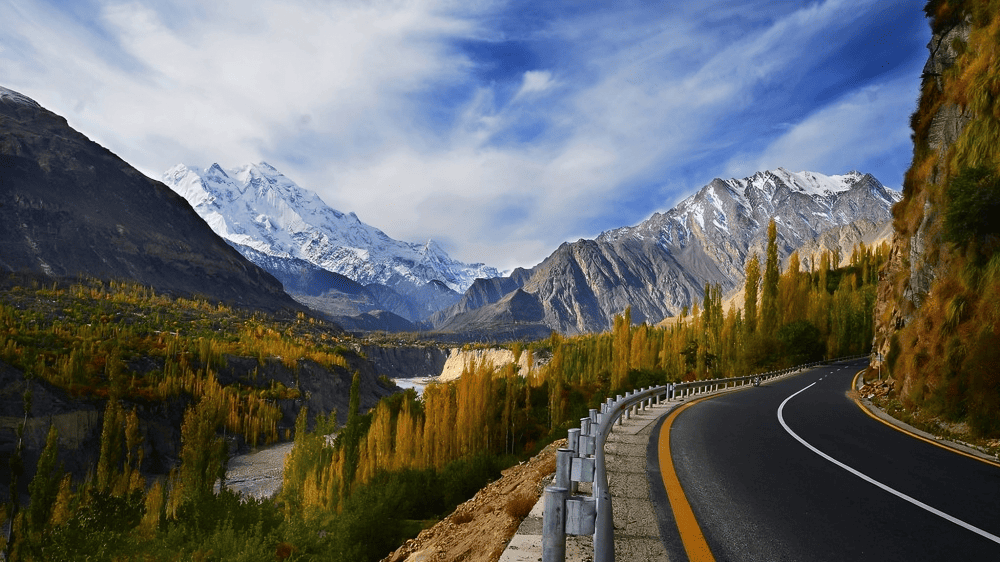
Image Credit: Northern Discover
The Digital Detox Angle Nobody Talks About
Here’s something that doesn’t come up in most Pakistan travel guides but probably should. So much of modern travel, from the initial inspiration to the obsessive research phase to the constant checking-in while you’re actually there, happens entirely on our phones and screens. We spend hours scrolling itineraries, comparing hotels, watching Reels of Karakoram sunsets, and doom-scrolling travel forums, often without really registering how much time we’re losing to it.
Before you embark on a trip this transformative, it might be worth asking yourself whether your screen habits are actually serving your travel goals, or quietly undermining your ability to be present when you finally get there. A free tool like the Screen Addiction Calculator offers a surprisingly honest look at where your digital time actually goes and what it’s costing you in terms of real-world experiences. It’s not preachy about it, just clear-eyed and practical, which makes it worth five minutes of your time before a big trip.
Because here’s the thing: nothing will make you put your phone away faster than standing at 4,700 meters above sea level with Nanga Parbat literally filling your entire field of vision. But it helps to arrive with the intention already in place.
Practical Pakistan Travel Tips You’ll Actually Use
A few ground-level things worth knowing before you go:
- Visa: Most nationalities can get a Pakistani e-visa online, and the process has become significantly smoother in recent years. Apply at least two to three weeks before departure to be safe.
- Currency: Pakistan uses the Pakistani Rupee (PKR). Cash is king in remote northern areas. ATMs are unreliable beyond Gilgit, so carry enough before heading into the mountains.
- Connectivity: Surprisingly decent in main towns. Remote treks will obviously have limited coverage, which is part of the appeal.
- Dress Code: Dress modestly, especially for women, in conservative areas. In tourist-heavy spots like Hunza, the atmosphere is quite relaxed, but respectful dressing is always appreciated.
- Food: Pakistani food is extraordinary. Don’t sleep on the local dhabas. The chapli kebabs, daal, and fresh naan will absolutely ruin fast food for you forever.
Final Thought: Just Go
Pakistan tourism is growing, and the destinations that feel secret and undiscovered today are not going to stay that way. The culture is rich and layered in ways that take multiple visits to fully appreciate. The landscapes are ridiculous in scale, from the second-highest peak on Earth to ancient river civilizations to valleys so green they look painted. And the people will absolutely ruin every other travel experience you’ve had by comparison, in terms of warmth, generosity, and genuine human decency.
Stop waiting for it to trend. Book a tour through a trusted operator, pick your season, and go. Your future self will not regret a single rupee spent.
Ready to start planning? Pak Peaks Travels & Tours specializes in personalized northern Pakistan adventures, from Hunza to Skardu and beyond. Get in touch and let the experts build your perfect Pakistan itinerary.