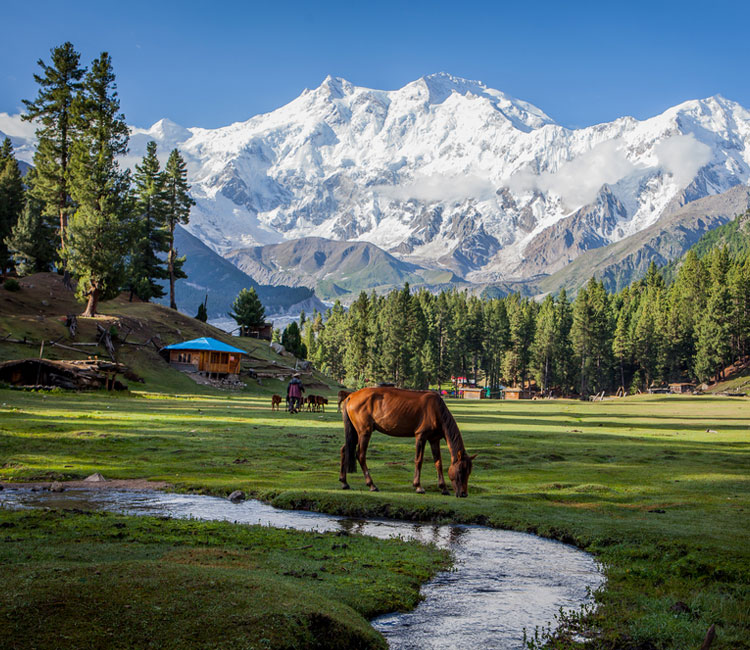
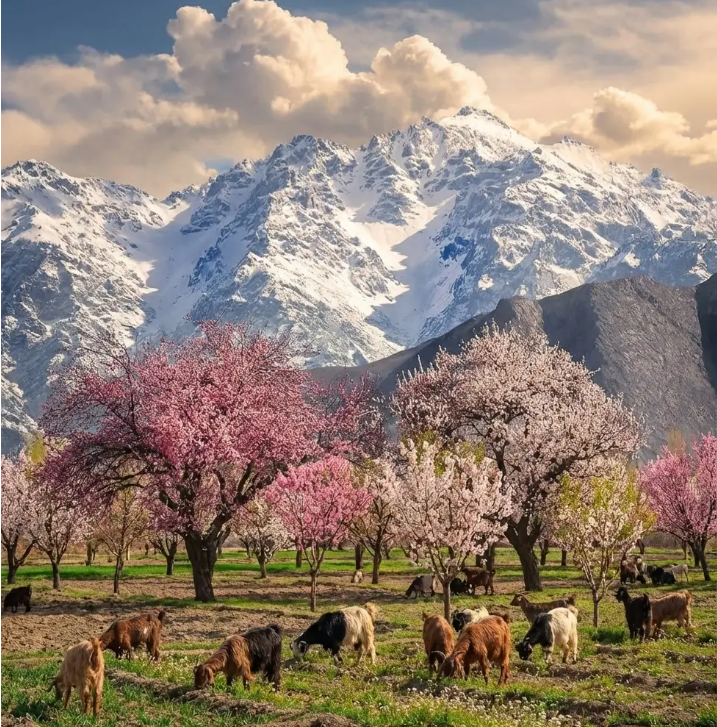
There’s a valley tucked away in the far north of Pakistan, hemmed in by some of the highest mountains on Earth, where apricot trees bloom in spring like the landscape is showing off, where ancient forts sit on cliffsides above turquoise rivers, and where locals will invite you in for tea before you’ve even figured out where you’re going. It’s called Hunza Valley, and if you haven’t heard of it yet, consider this your formal introduction.
Hunza Valley tourism has exploded in recent years, and for very good reason. The world is slowly waking up to the fact that this remote corner of Gilgit-Baltistan is not just one of the most scenic places in Pakistan. It is one of the most scenic places on the planet, full stop. Whether you’re a hardcore trekker chasing altitude, a couple looking for a romantic escape unlike anything in the conventional honeymoon playbook, or a family wanting something genuinely different from the usual resort holiday, Hunza delivers in a way that’s almost difficult to put into words.
But let’s try anyway.
What Exactly Is Hunza Valley, and Why Is Everyone Talking About It?
Hunza is a mountainous valley in the Gilgit-Baltistan region of northern Pakistan, sitting at an elevation of roughly 2,400 meters above sea level. It’s flanked by some of the most dramatic peaks in the Karakoram range, including Rakaposhi (7,788m), Ultar Sar, and Lady Finger, peaks that don’t just sit in the background of your photos but absolutely dominate them.
The valley itself is divided into Upper, Central, and Lower Hunza, each with its own distinct character. Karimabad is the main hub, a small mountain town with bazaars, guesthouses, and rooftop cafes where you can sit with a cup of chai and watch the sun set behind peaks that dwarf the Alps. It’s the kind of place that makes you deeply question every prior travel decision you’ve ever made.
Beyond the scenery, Hunza has a cultural identity that’s entirely its own. The local Burusho people speak Burushaski, a language with no known relatives anywhere in the world. The food is distinct, the customs are warm and relaxed, and the region has a literacy rate that consistently ranks among the highest in Pakistan, a fact that surprises most first-time visitors and says a lot about the community’s priorities.
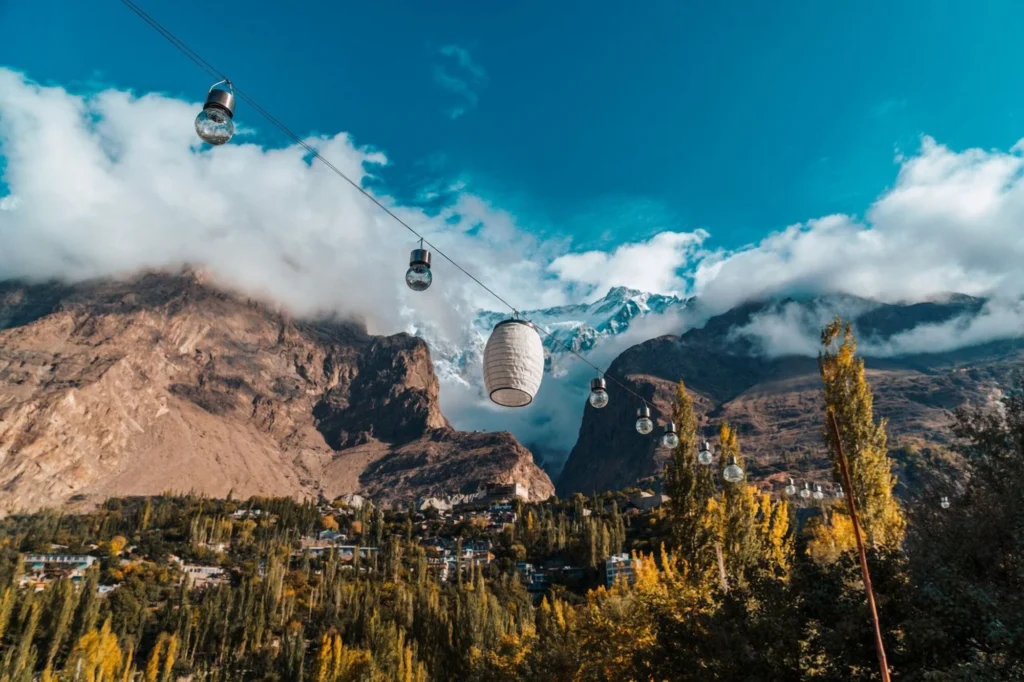
Image Credit: BucketListly Blog
Best Time to Visit Hunza Valley
The timing of your Hunza trip will shape the entire experience, and the good news is that almost every season has something genuinely worth showing up for.
Spring: March to May This is the season that breaks the internet every single year, and with good reason. Cherry blossoms and apricot trees bloom across the valley in late March and April, painting entire hillsides in white and pink. The contrast against the snow-dusted peaks behind them is almost aggressively beautiful. If you can only go once and you want maximum visual drama, spring is your answer.
Summer: June to August Peak tourist season. The weather is warm, all roads are open, and the valley is lush and green in a way that feels almost tropical given the altitude. This is the best window for day hikes, longer treks toward Passu or Gojal, and exploring the upper reaches of the valley. Expect more company at the popular viewpoints, but nothing unmanageable.
Autumn: September to October Arguably the most underrated window to visit Hunza. Harvest season transforms the landscape into shades of gold, amber, and deep red. Apricots are being dried on rooftops, the air has a beautiful crispness to it, and the light is extraordinary for photography. Crowds thin out, prices ease slightly, and the whole place takes on a quieter, more intimate mood. Honestly, autumn Hunza might be the best version of Hunza.
Winter: November to February Cold, with some roads limited, but surprisingly magical if you’re prepared. Snow covers the peaks and the valley floor, and the tourist crowds virtually vanish. A few adventurous travelers specifically seek out Hunza in winter for the silence and the surreal snow-covered landscapes. Not for everyone, but deeply memorable if you go in prepared.
| Season | Highlights | Crowds | Temperature |
|---|---|---|---|
| Spring (Mar-May) | Blossom season, clear skies | Moderate | Cool to mild |
| Summer (Jun-Aug) | Trekking, full access | High | Warm |
| Autumn (Sep-Oct) | Harvest colors, photography | Low-Moderate | Cool |
| Winter (Nov-Feb) | Snow landscapes, solitude | Very Low | Cold to freezing |
Top Attractions in Hunza Valley You Can’t Skip
Hunza isn’t a destination you consume in a checklist. It’s a place you absorb. But there are certain spots that genuinely should not be missed on any Hunza Valley itinerary.
Baltit Fort Standing 700 years old above Karimabad, Baltit Fort is the crown jewel of Hunza’s cultural heritage. It was the seat of the Mir of Hunza for centuries, and the views from its upper terraces over the valley and toward Rakaposhi are the kind that make you stand there in total silence for a lot longer than you planned. The fort has been beautifully restored and is a UNESCO Asia Pacific Award winner for heritage conservation.
Altit Fort Older than Baltit by some estimates, Altit Fort sits at the valley’s edge above the Hunza River with a vertigo-inducing drop below. The surrounding old village has been partially preserved and gives you a genuine sense of what life looked like here centuries ago. Less visited than Baltit, which makes it feel more personal.
Attabad Lake This one is relatively recent in historical terms. Attabad Lake was formed in 2010 when a massive landslide blocked the Hunza River, creating a stunningly blue-green reservoir that stretches for kilometers along the KKH. Boat rides on Attabad are practically mandatory, and the color of the water in direct sunlight is the kind of thing you’ll be describing to people for years.
Passu Cones Drive further north into Upper Hunza and you’ll encounter the Passu Cones, a row of jagged cathedral-like peaks rising directly from the valley floor. They look almost architectural, like nature was experimenting with Gothic design. The suspension bridge near Passu, swaying above the Hunza River, has become one of the most photographed spots in Pakistan and a rite of passage for visitors.
Eagle’s Nest Viewpoint Located above Duikar village, Eagle’s Nest offers what many consider the single best panoramic view in all of Hunza. At sunrise, with the clouds still low in the valley and the peaks catching the first light, it is completely, unreservedly spectacular. Worth waking up at 4am for. No exaggeration.
Khunjerab Pass At 4,693 meters above sea level, Khunjerab Pass marks the border between Pakistan and China and is one of the highest paved international border crossings in the world. The landscape up here is alien and stunning, all rolling tundra and distant glaciers. It’s accessible from late April through November, and the drive up the Karakoram Highway from Hunza is one of the great road journeys on the planet.
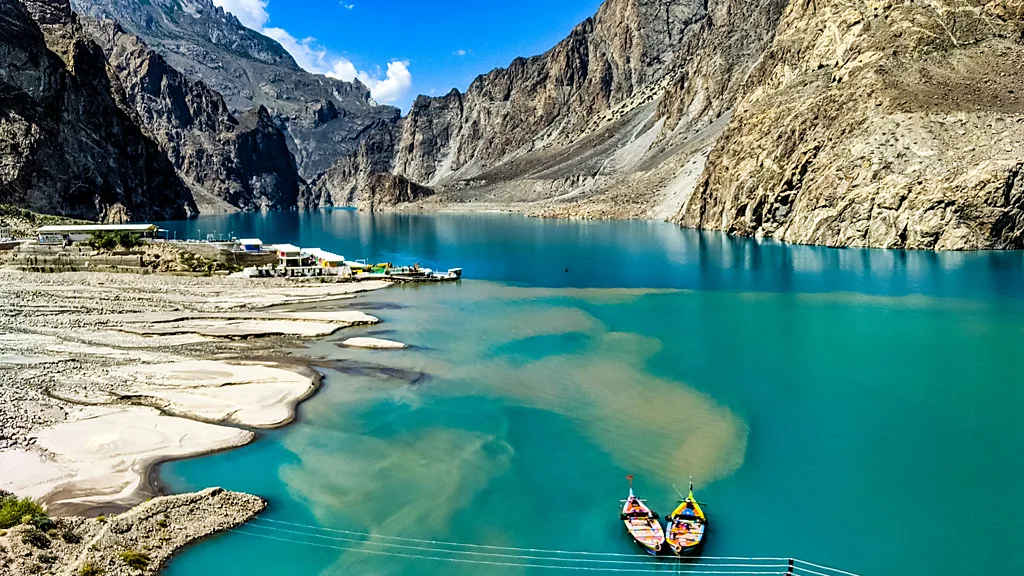
Image Credit: BBC
How Many Days Do You Actually Need in Hunza?
This is the question everyone asks and nobody answers honestly. Here’s the truth: three days is the bare minimum, five to seven days is the sweet spot, and ten days lets you actually exhale.
A typical 5-day Hunza Valley itinerary looks something like this:
- Day 1: Arrive Gilgit or fly into Islamabad and drive, check in to Karimabad, evening stroll through the bazaar
- Day 2: Baltit Fort, Altit Fort, Ganish Heritage Village, rooftop dinner with mountain views
- Day 3: Drive to Attabad Lake, boat ride, continue to Passu Cones and suspension bridge
- Day 4: Early morning Eagle’s Nest sunrise, Rakaposhi viewpoint, leisure afternoon
- Day 5: Drive toward Khunjerab Pass (seasonal), return, departure
If you have more time, tacking on Nagar Valley, Hopper Glacier, or extending north to Sost and the upper Gojal region is absolutely worth it.
Hunza Tour Packages: What to Expect in 2025
The good news about planning a Hunza trip in 2025 is that you have more options than ever. Whether you’re traveling solo on a shoestring or planning a premium family experience, there’s a package built for you.
Affordable Hunza tour packages typically cover transport from Islamabad or Gilgit, accommodation in guesthouses or mid-range hotels, guided sightseeing, and sometimes meals. For couples, honeymoon packages include upgraded accommodation at properties like Eagle’s Nest Hotel or similar with mountain views, private transport, and curated experiences. Family packages are increasingly popular, with agencies designing itineraries that work for kids and older relatives alike.
Booking through a specialist like Pak Peaks Travels & Tours means you get a team that knows the roads, the seasons, and the hidden spots that don’t show up in generic travel blogs. They handle everything from permit logistics to accommodation bookings to jeep hire for off-road sections, which makes the whole experience dramatically less stressful and significantly more enjoyable.
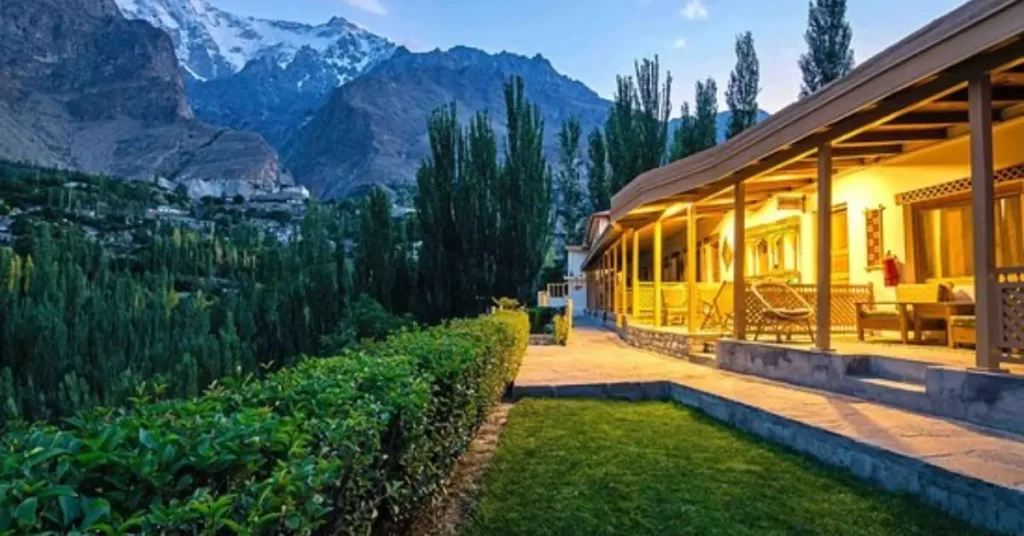
Image Source: luxushunza
The Unexpected Lesson Hunza Teaches You
Here’s something nobody puts in a travel guide but probably should. Hunza has an almost eerie ability to recalibrate you. Visitors consistently describe feeling more present, more grounded, and strangely more human after even a few days in the valley. The pace is slower. The light is cleaner. Conversations with locals tend toward depth rather than small talk. And the sheer scale of the mountains puts whatever you’ve been worrying about into immediate, useful perspective.
Part of that recalibration, if you’re being honest with yourself, involves putting the phone down. Not for the photos, those are worth taking. But for the reflexive scrolling, the compulsive checking, the low-grade digital anxiety that most of us carry around without even noticing it anymore. It’s worth examining that relationship before a trip like this, because the more present you arrive, the more you actually take home. A tool like the Screen Addiction Calculator is genuinely useful here. It gives you a clear, judgment-free look at your daily screen habits and what they’re costing you in terms of real lived time. Think of it as part of your pre-travel preparation, same as packing your hiking boots or getting travel insurance.
Because when you’re standing at Eagle’s Nest watching the Karakoram light up gold at dawn, you’ll want every bit of your attention available for that moment. It only happens once.
Practical Tips for Your Hunza Trip
Before you go, a few things worth knowing that most guides gloss over:
- Getting there: Fly to Gilgit on PIA (stunning flight through mountain corridors, one of the world’s most dramatic approaches) or drive the Karakoram Highway from Islamabad in about 16 to 20 hours. The drive itself is part of the experience.
- Accommodation: Book in advance for spring and summer, especially in Karimabad. Good options range from basic but clean guesthouses at around PKR 2,000 to 3,000 per night to premium properties at Eagle’s Nest for a genuinely special experience.
- Cash: Bring enough from Gilgit. ATMs in Karimabad exist but are unreliable. Remote areas beyond have none.
- Altitude: Karimabad sits at around 2,400m. Most people adjust fine, but take it easy on day one and stay hydrated.
- Connectivity: Surprisingly decent in Karimabad on most networks. Remote treks obviously drop off, which is part of the charm.
- Respect local culture: Hunza is relaxed and cosmopolitan by northern Pakistan standards, but modest dressing is still appreciated, particularly in villages outside Karimabad.
Final Word: Hunza Is Not Overhyped
In an era where travel content is relentlessly polished and destinations are regularly oversold, Hunza Valley is one of those rare places where the reality genuinely exceeds the expectation. The photos don’t lie. The testimonials aren’t exaggerated. If anything, they undersell it, because no image fully captures what it feels like to stand in that valley, surrounded by giants, with a cup of Hunza tea warming your hands and absolutely nowhere else you need to be.
Go once, and you’ll spend the rest of your life trying to figure out how to go back.
Start planning your Hunza Valley adventure today with Pak Peaks Travels & Tours, northern Pakistan’s specialist in personalized mountain journeys. Custom itineraries, expert guides, and memories that genuinely last.